
13 october 2026
Details
15 october 2026
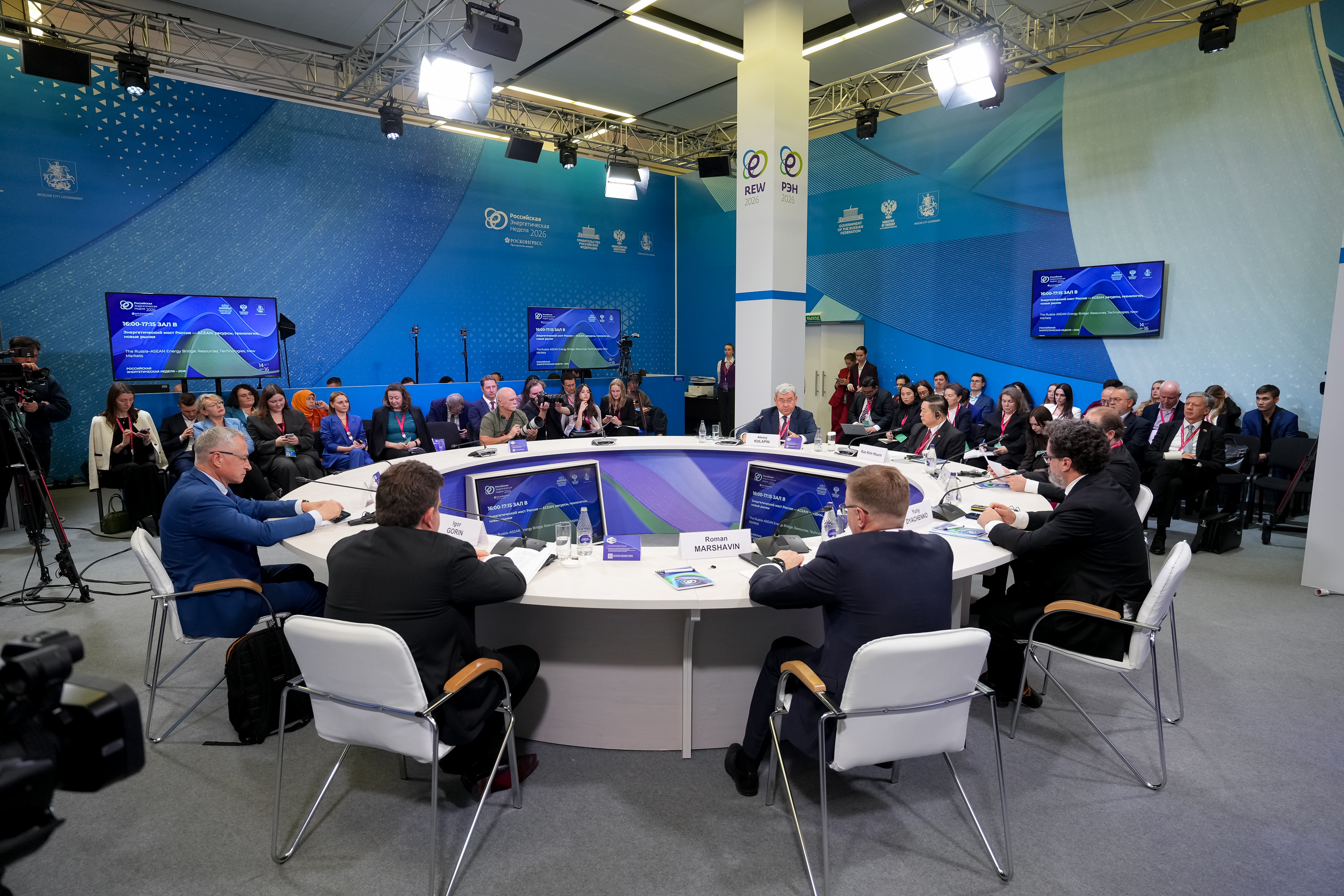
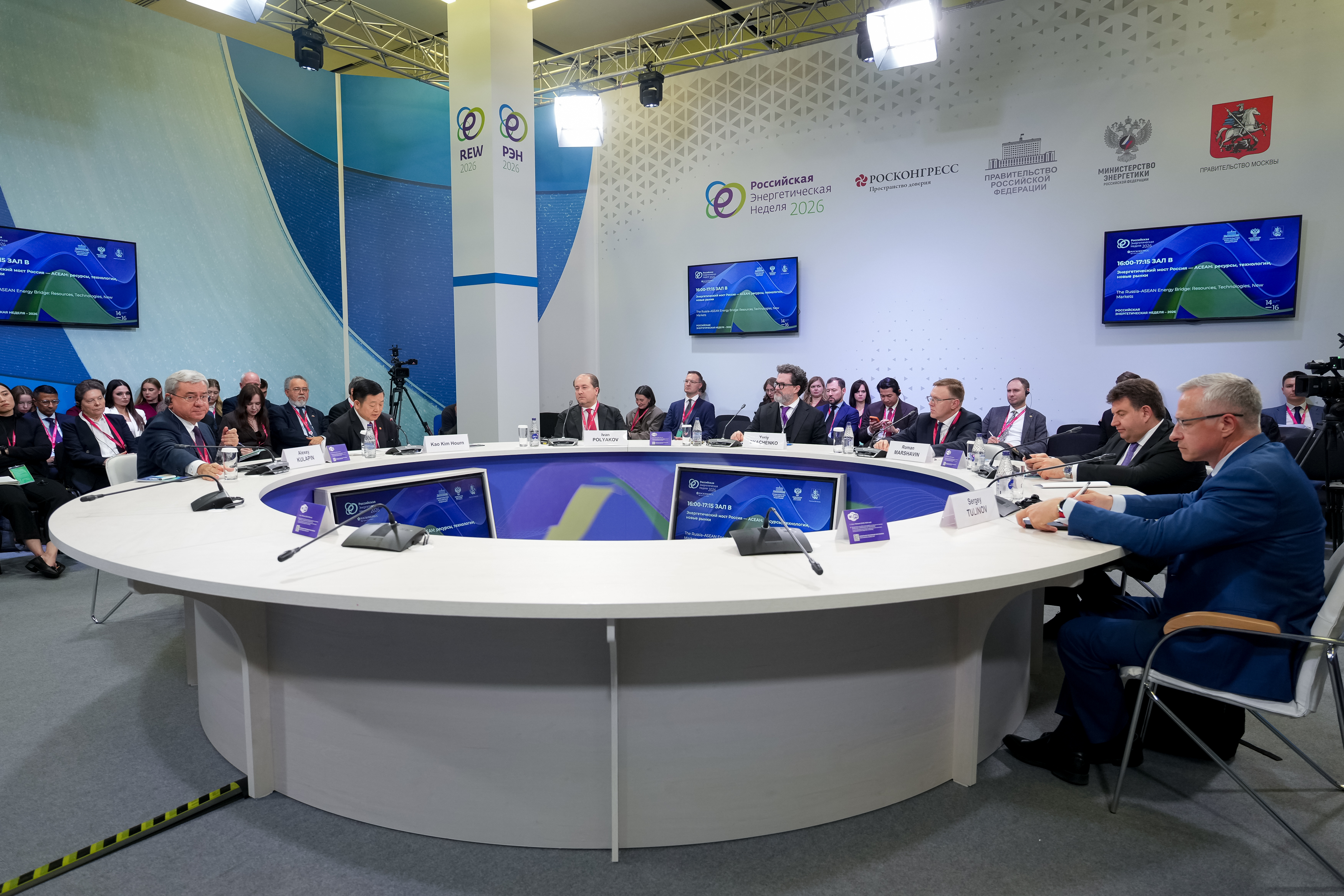
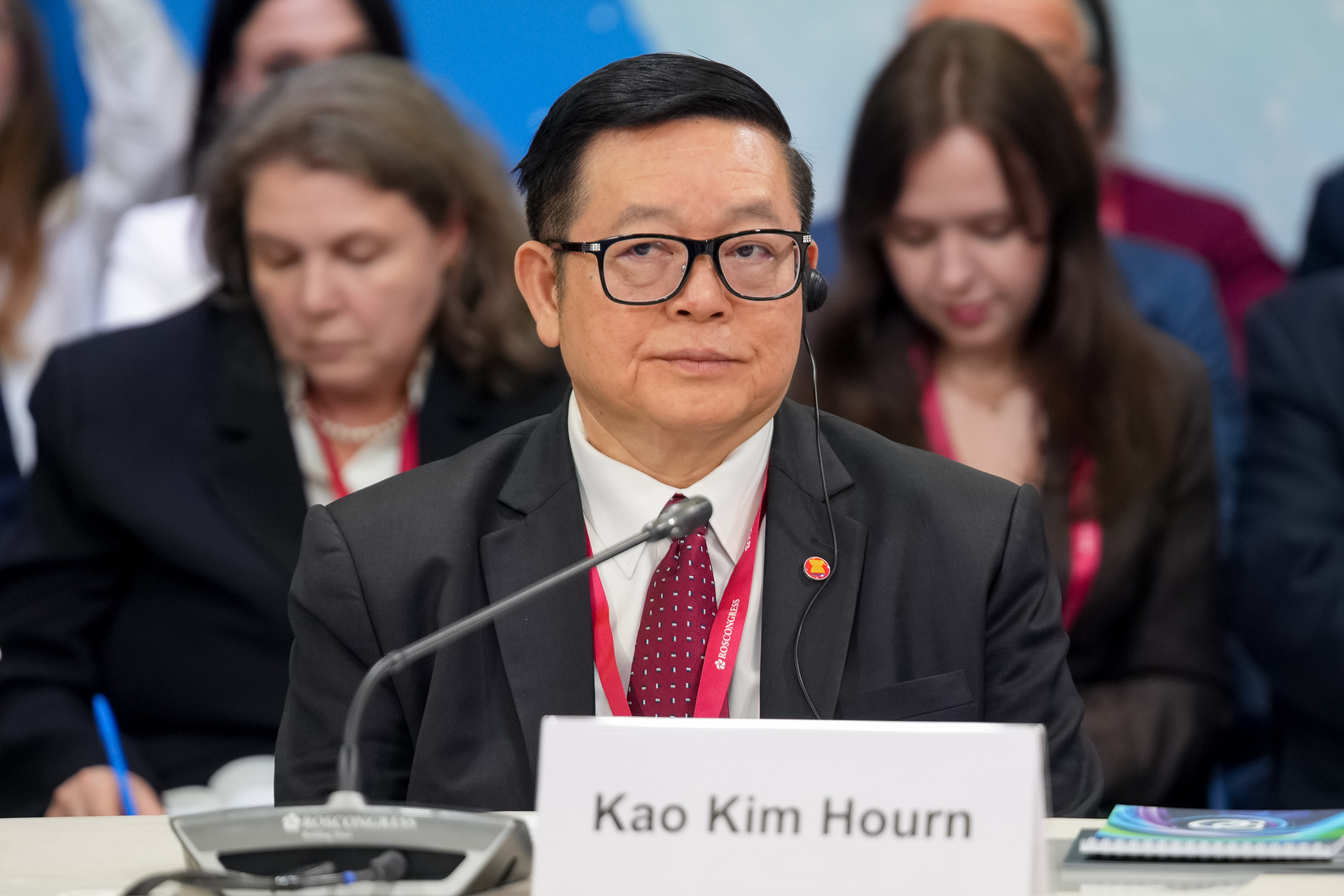
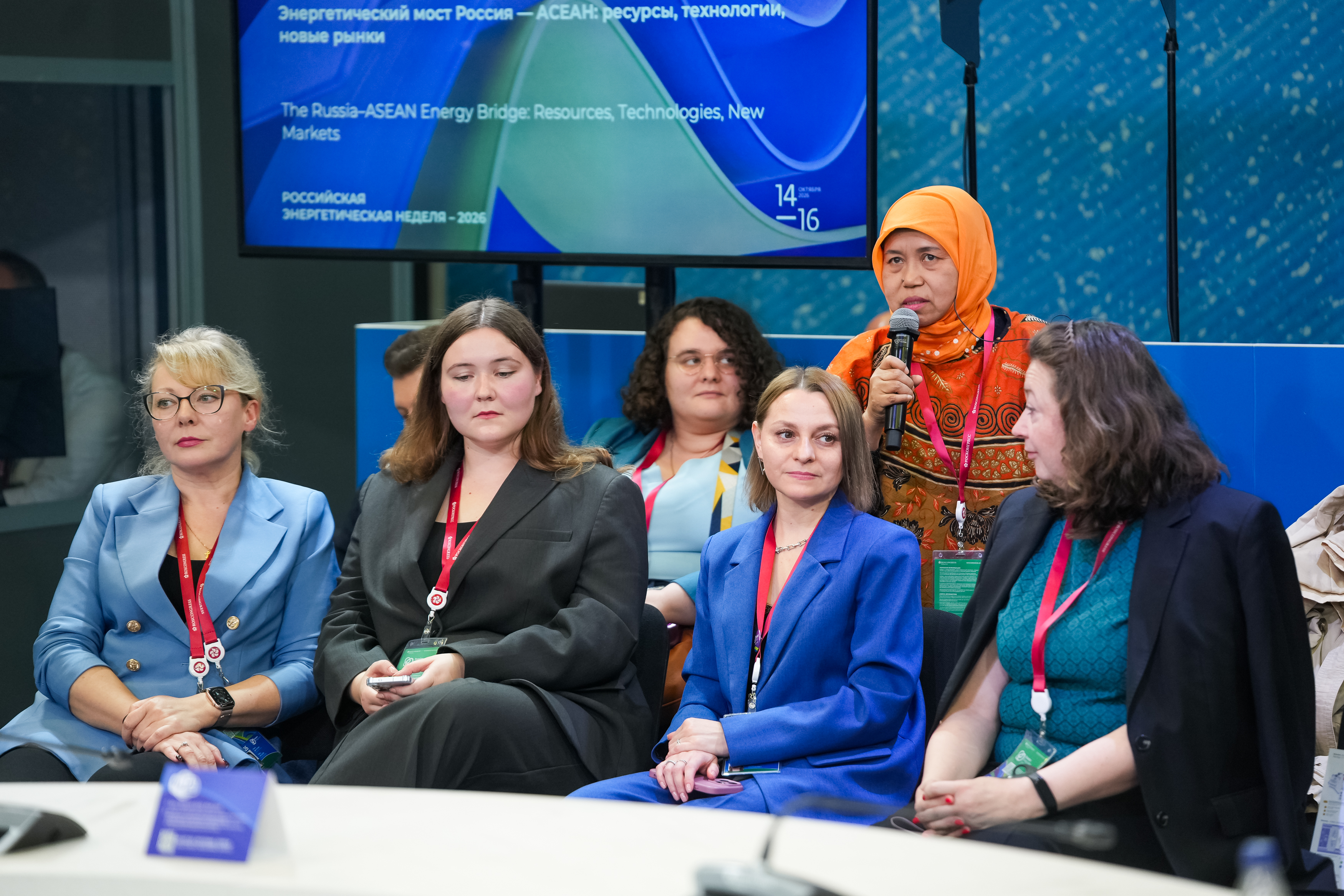
On 15 October 2026, as part of Russian Energy Week 2026, the session «Russia-ASEAN Energy Bridge: Resources, Technologies, New Markets» was held. The session was organised by the Ministry of Energy of the Russian Federation. The key guest of the session was Secretary-General of ASEAN Kao Kim Hourn, who was on a working visit to Russia.
Roman Marshavin, Deputy Minister of Energy of Russia, in his welcoming remarks noted that Russia had stood at the origins of the Asia-Pacific Energy Forum, the only UN intergovernmental platform on energy, whose fourth meeting will be held in Bangkok in 2027.
Secretary-General of ASEAN Kao Kim Hourn stated a fourfold increase in energy demand in the region since 2016 and pointed to the role of integration: “Regional integration can play a major role in strengthening the reliability of supply and the resilience of our economies.” “We must expand our cooperation with Russia and help each other. This includes the development of renewable energy sources, integration, exchange between companies and closer ties with regard to developing joint projects in traditional and renewable energy sources,” noted the Secretary-General of ASEAN.
Alexey Kulapin, General Director of the Russian Energy Agency of the Ministry of Energy of Russia, pointed out that ASEAN is the world leader in terms of energy consumption growth, which shapes requirements for infrastructure resilience, market predictability and fair pricing. He also reported on the transition to the practical phase of the project to build the capacity of Russia and ASEAN in energy statistics: the inception seminar and focus groups were held in Jakarta with the participation of specialists from the Russian Energy Agency, Rosstat, the ASEAN Centre for Energy and industry experts. “The convergence of methodological approaches will allow not only to structure and compare data but also to prepare joint forecasts, improving the quality of investment planning,” noted Kulapin.
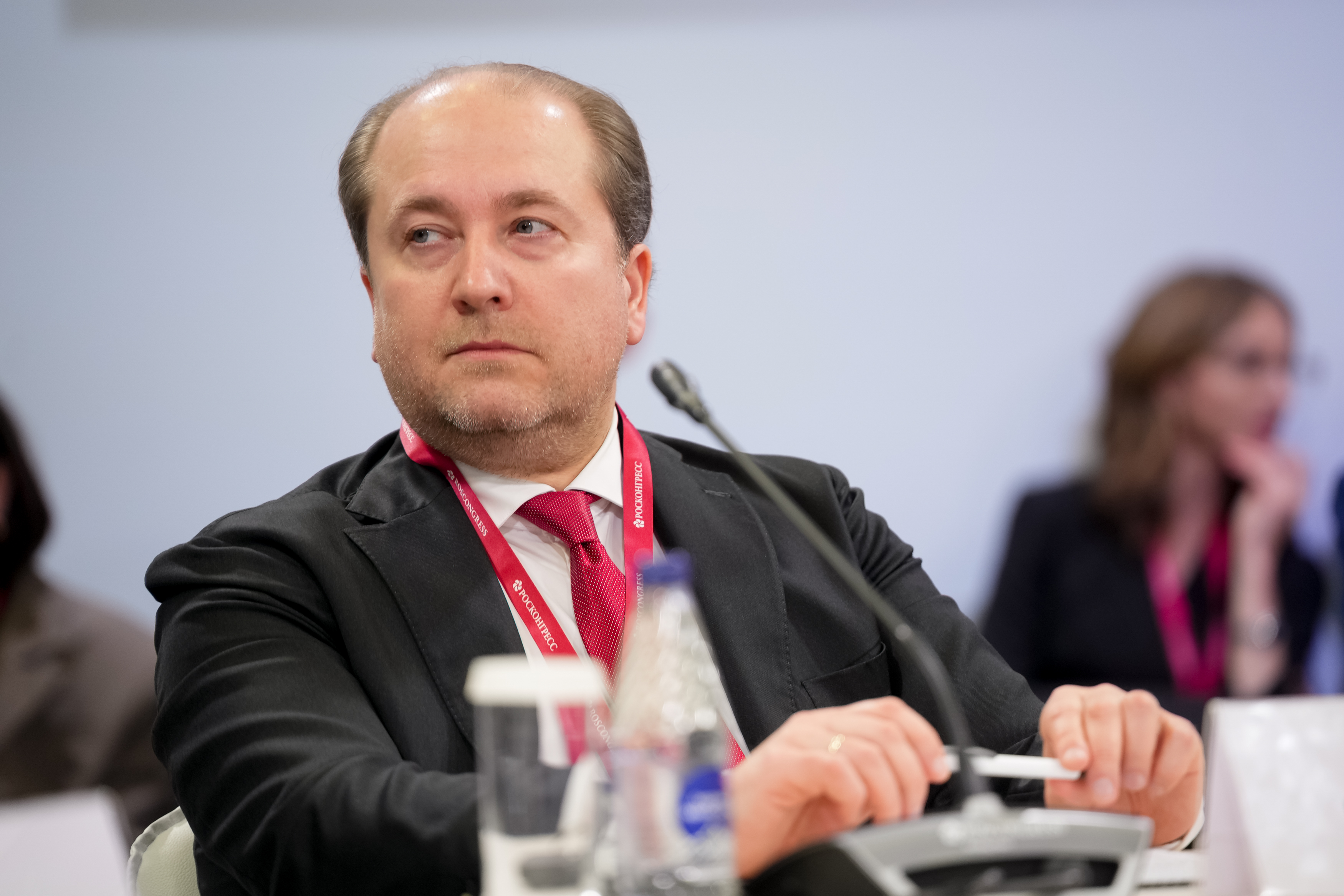
Ivan Polyakov, Chairman of the Russia-ASEAN Business Council, emphasised that deepening cooperation in the implementation of educational programmes is one of the key elements of collective energy security in the region. “Personnel training is not just one of the areas of cooperation but the foundation on which the entire long-term energy agenda of Russia-ASEAN will be built,” noted Ivan Polyakov. The delegates were also informed that in December 2026, St. Petersburg and Moscow will host, for the fourth time, the international internship programme InteRussia “Changing Energy Landscape” for energy sector specialists from ASEAN countries. The programme is implemented on the basis of St. Petersburg State University of Economics together with the Alexander Gorchakov Public Diplomacy Fund, with the support of the Russian Energy Agency of the Ministry of Energy of Russia, the Russia-ASEAN Business Council and the ASEAN Centre for Energy.
Yuri Dyachenko, Deputy Head of Department-Head of Directorate at PJSC Gazprom, noted the need to develop infrastructure for underground gas storage facilities, virtual gas pipelines and local LNG distribution centres in the ASEAN region. «The demand is enormous both for the resource itself and for gas processing and utilisation technologies,» he stressed, adding that the company prioritises ASEAN and the Global South and has prepared a comprehensive plan of technological solutions for partners.
Sergey Tulinov, Head of the Energy Connectivity Division at the United Nations Economic and Social Commission for Asia and the Pacific (ESCAP), drew attention to the comprehensive nature of energy security: reliability of supply, affordable prices, resilience of energy infrastructure and the ability of countries to meet their needs in the long term.
Igor Gorin, First Deputy General Director of LLC «A7», presented a technological solution in the field of financial settlements: «We integrate artificial intelligence. We invite all market participants to join our platform and carry out settlements because we are ready to provide settlements with promissory notes and subsequent conversion into other forms of liquidity in various jurisdictions,» noted Gorin.
The participants discussed the projected growth in energy demand in Southeast Asia, the need to strengthen regional integration and develop infrastructure, as well as practical instruments of cooperation.
02 sep
EEF-2026: Russia-ASEAN Business Dialogue
The Russia-ASEAN Business Dialogue will be held as part of the Eastern Economic Forum. The event will be organized by the Roscongress Foundation, the Russia-ASEAN Business Council and the Russian Chamber of Commerce and Industry.
17 jun
Russia–ASEAN Business Forum
The Russia–ASEAN Business Forum, dedicated to the 35th anniversary of the establishment of relations, will be held on the sidelines of the Russia–ASEAN Summit.
04 jun
SPIEF-2025: EAEU-ASEAN Business Dialogue
The EAEU-ASEAN Business Dialogue will take place within the framework of the St. Petersburg International Economic Forum. Organizers: Roscongress, Russia-ASEAN Business Council, Eurasian Economic Commission.

You signed up for:
Event Information